-

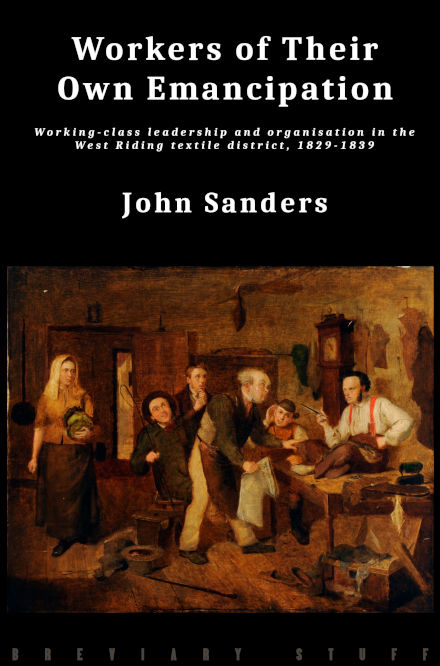
John Sanders – Workers of Their Own Emancipation
Working-class leadership and organisation in the West Riding textile district, 1829-1839
Special Price £20.00554pp / 156x234mm / paperbackadd to basket
A Breviary Stuff Original
Traces the complex pattern of working-class radical endeavour in the West Riding textile district during the years from 1829 to 1839.
-

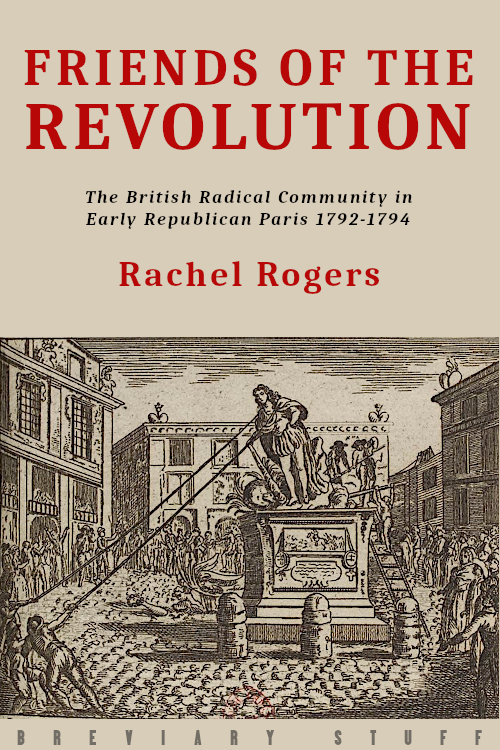
Rachel Rogers – Friends of the Revolution
The British Radical Community in Early Republican Paris 1792-1794
£17.00314pp / 156x234mm / paperbackadd to basket
a breviary stuff original
Examines the often overlooked British and Irish emigrant community in revolutionary Paris.
-

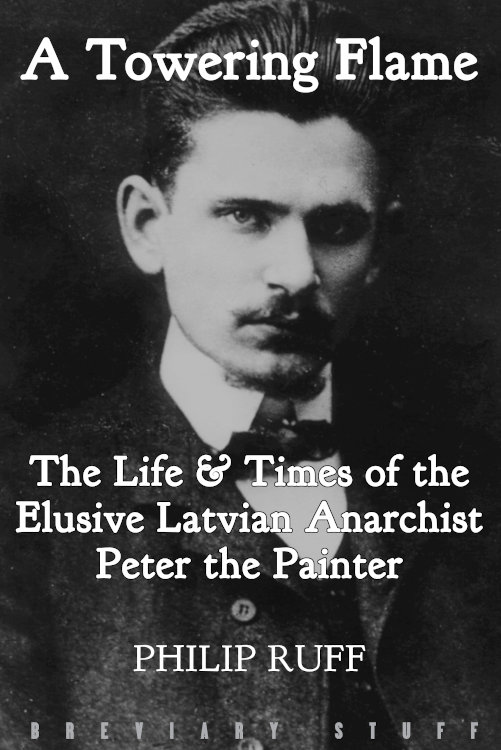
Philip Ruff – A Towering Flame
The Life & Times of the Elusive Latvian Anarchist Peter the Painter
Special Price £17.00 / £22.50284pp / 156x234mm / 70 b&w images / paperback / hardbackmore info
a breviary stuff original
A unique and historical work on the Revolution of 1905 and Latvian anarchists.
-
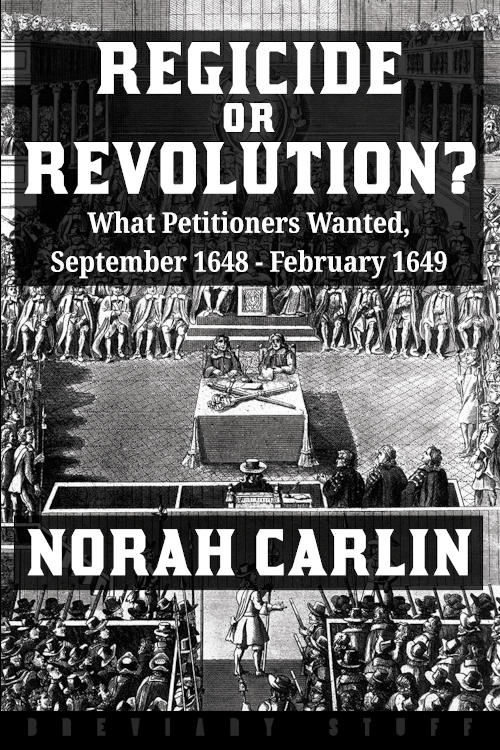
Norah Carlin – Regicide or Revolution?
What Petitioners Wanted, September 1648 - February 1649
£18.50358pp / 156x234mm / paperbackadd to basket
a breviary stuff original
Popular petitions were at the very heart of the revolutionary crisis of 1648-1649
-
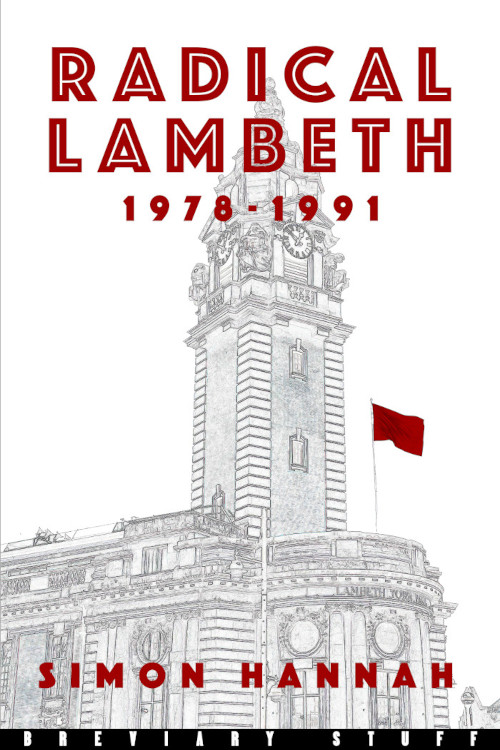
Simon Hannah – Radical Lambeth 1978-1991
£16.00224pp / 156x234mm / paperbackadd to basket
a breviary stuff original
Based on first-hand accounts of those involved, this book tells the story of Radical Lambeth, an inner London community that fought back
-
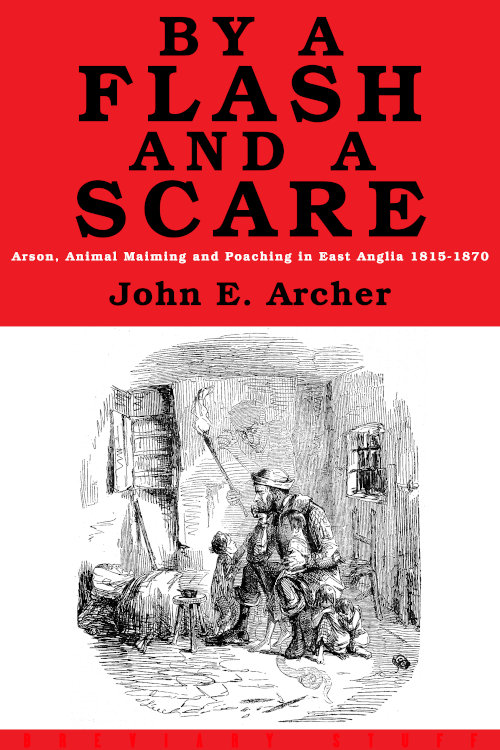
John E. Archer – By a Flash and a Scare
Arson, Animal Maiming, and Poaching in East Anglia 1815-1870
£17.00282pp / 156x234mm / paperbackadd to basket
Social crime and covert protest were an integral part of the ordinary life of the rural poor. They did not protest infrequently, they protested all the time
-

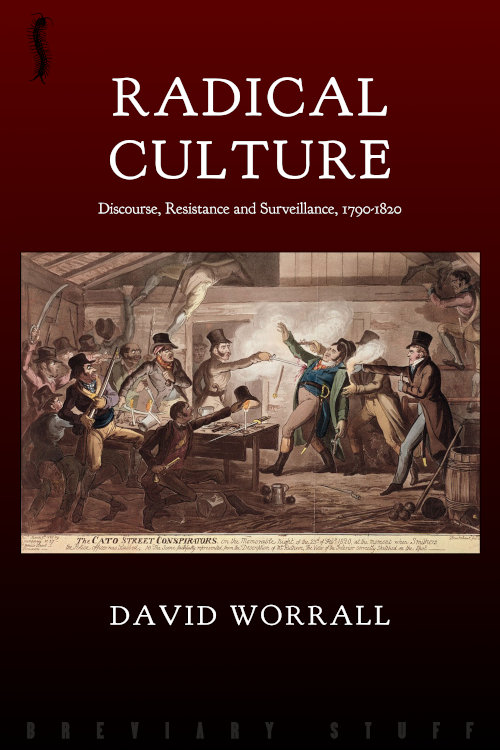
David Worrall – Radical Culture
Discourse, Resistance and Surveillance, 1790-1820
£15.00186pp / 156x234mm / paperbackadd to basket
Outlines the battle between repressive seditious laws and the radicals whose weapon was the written and spoken word.
-
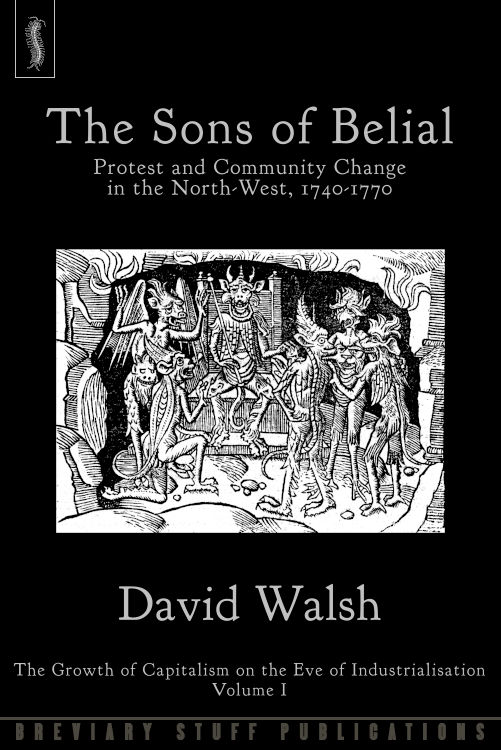
David Walsh – The Sons of Belial
Protest and Community Change in the North-West, 1740-1770
£16.00272pp / 156x234mm / paperbackadd to basket
a breviary stuff original
The Growth of Capitalism on the Eve of Industrialisation, Volume I
-
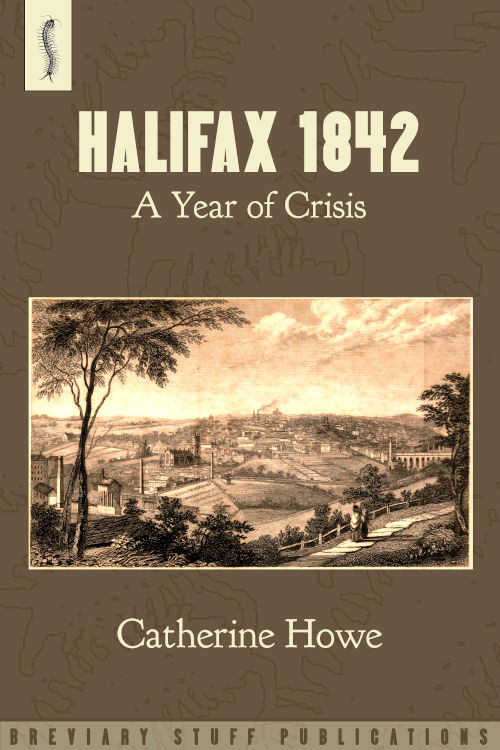
Catherine Howe – Halifax 1842: A Year of Crisis
£14.50202pp / 156x234mm / paperbackadd to basket
a breviary stuff original Unite the Union's Book of the Month, October 2016.
When the Lancashire marchers arrived at Halifax in the hot summer of 1842, the cavalry attempted to clear the streets with their sabres and a violent response was inevitable
-
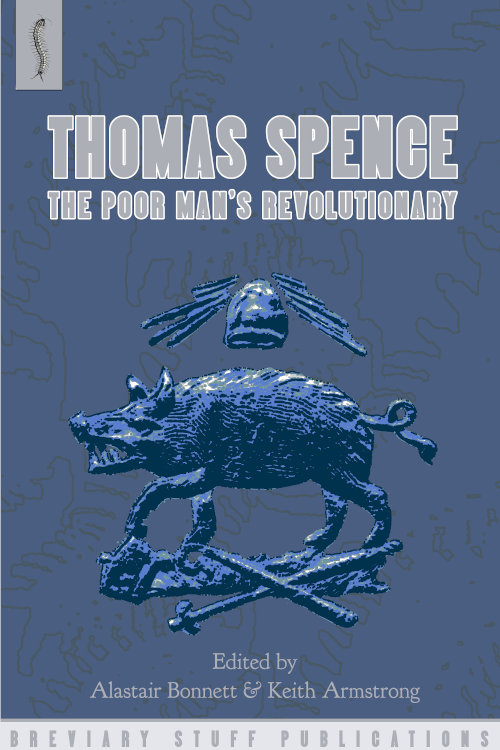
Thomas Spence: The Poor Man’s Revolutionary
£15.00214pp / 156x234mm / paperbackadd to basket
a breviary stuff original
Spence’s story is a rags to rags tale of defiance and ingenuity
-
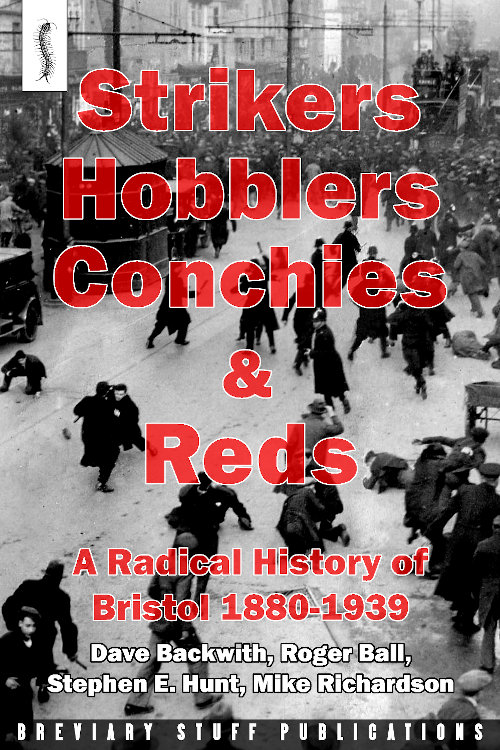
Strikers, Hobblers, Conchies & Reds
A Radical History of Bristol, 1880-1939
£18.50366pp / 156x234mm / 101 b&w images / paperbackadd to basket
a breviary stuff original
A collection of essays from members of the Bristol Radical History Group
-
The Refiner’s Fire
The Collected Works of TheaurauJohn Tany
Special Price £20.00552pp / 156x234mm / 73 b&w images / paperbackadd to basket
a breviary stuff original
The definitive collection of Thomas Tany texts and ephemera
-
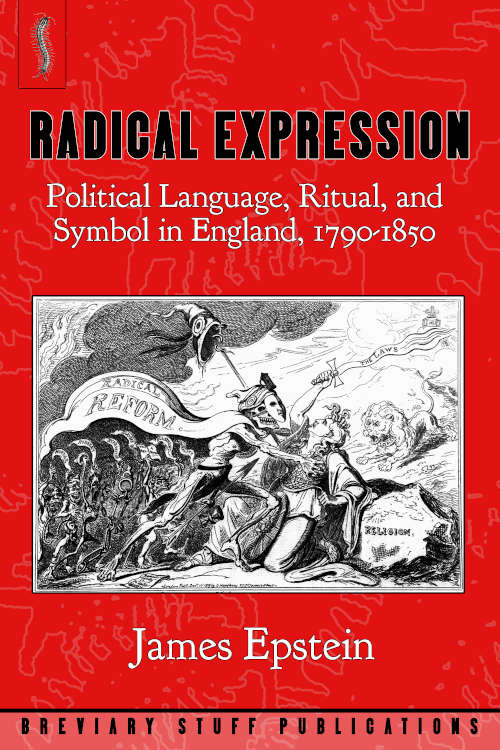
James Epstein – Radical Expression
Political Language, Ritual, and Symbol in England, 1790-1850
£15.00220pp / 156x234mm / paperbackadd to basket
Re-examines the rhetoric of popular constitutionalism and the associated repertoire of constitutionalist mobilization
-
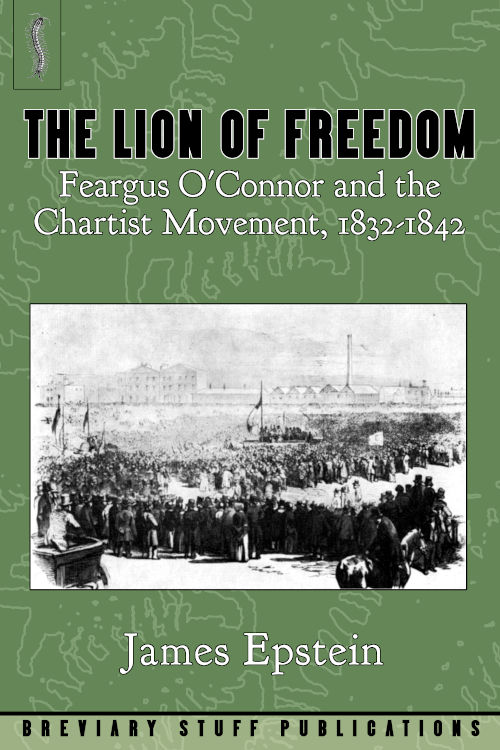
James Epstein – The Lion of Freedom
Feargus O'Connor and the Chartist Movement, 1832-1842
£17.00298pp / 156x234mm / paperbackadd to basket
An evaluation of the political leadership of Feargus O'Connor, the most prominent leader of the Chartist movement
-
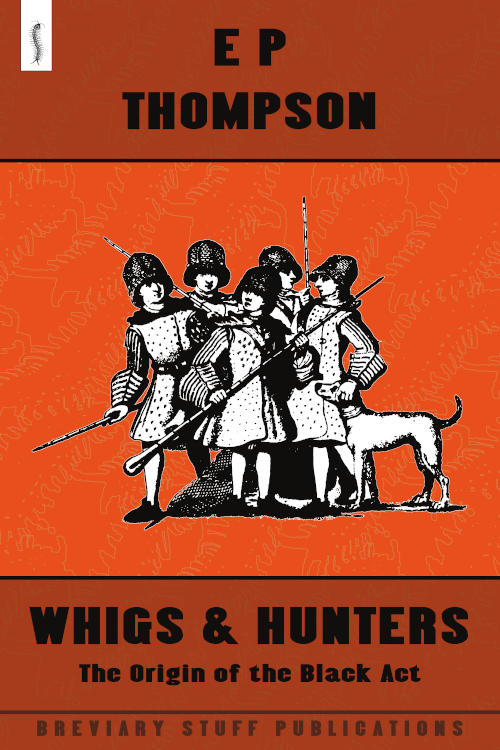
E. P. Thompson – Whigs and Hunters
The Origin of the Black Act
Special Price £16.00 / £23.00276pp / 156x234mm / paperback / hardback / ebookmore info
With Whigs and Hunters E. P. Thompson plunged into the murky waters of the early eighteenth century to chart the violently conflicting currents that boiled beneath the apparent calm of the time.
-
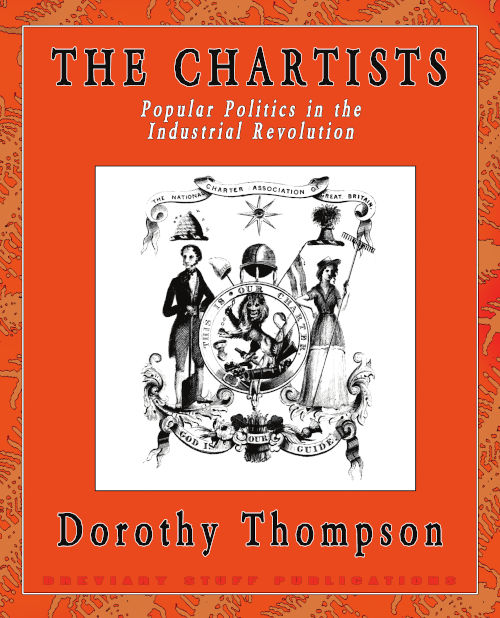
Dorothy Thompson – The Chartists
Popular Politics in the Industrial Revolution
£16.00280pp / 191x235mm / paperbackadd to basket
A major contribution to our understanding not just of Chartism but of the whole experience of working-class people in mid-nineteenth century Britain
-
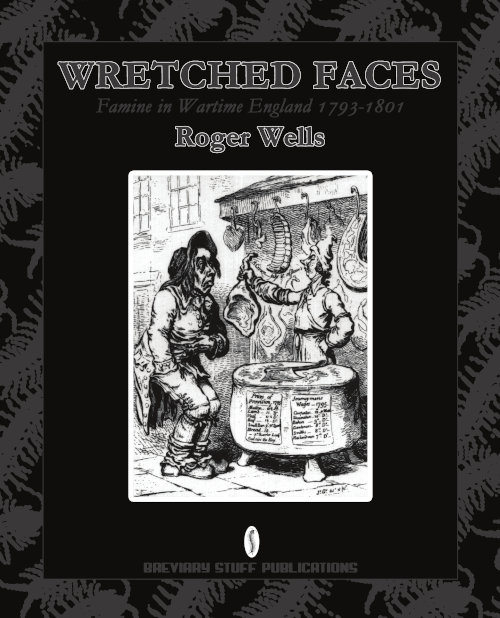
Roger Wells – Wretched Faces
Famine in Wartime England 1793-1801
£23.00410pp / 191x235mm / paperbackadd to basket
'WANT' stalked the land; intense rioting periodically erupted; radical politicisation, notably of unenfranchised working people, proceeded apace, in part stimulated by the catastrophic events projected on the world stage by the process of the French Revolution
-
Roger Wells – Insurrection
The British Experience 1795-1803
£22.00372pp / 191x235mm / paperbackadd to basket
A re-evaluation of the hoary problem of the question of revolution in Britain and Ireland during the allegedly dying years of the Age of Revolution
-
John Belchem – ‘Orator’ Hunt
Henry Hunt and English Working Class Radicalism
£17.50248pp / 191x235mm / paperbackadd to basket
This first full-scale biography finally brings to light Hunt's vital role in molding the English working-class into an effective political force
-
David Walsh – Making Angels in Marble
The Conservatives, the Early Industrial Working Class and Attempts at Political Incorporation
£15.00268pp / 191x235mm / paperbackadd to basket
a breviary stuff original Unite the Union's Book of the Month, January 2017.
Focuses on the creation of the first woking class Tories.
-
Malcolm Chase – The People’s Farm
English Radical Agrarianism 1775-1840
£12.00212pp / 152x229mm / paperbackadd to basket
Traces the development of agrarian ideas from the 1770s through to Chartism, and seeks to explain why land remained one of the major issues in popular politics
-
Malcolm Chase – Early Trade Unionism
Fraternity, Skill and the Politics of Labour
£17.00248pp / 191x235mm / paperbackadd to basket
The evolution of trade union principles and practices is traced from the seventeenth century to mid-Victorian times
-
Bob Bushaway – By Rite
Custom, Ceremony and Community in England 1700-1880
£16.00206pp / 191x235mm / paperbackadd to basket
Explores the view that rural folk practices were a mechanism of social cohesion, and social disruption. Through them the interdependence of the rural working-class and the gentry was affirmed
-
Buchanan Sharp – In Contempt of All Authority
Rural Artisans and Riot in the West of England, 1586-1660
£15.00204pp / 191x235mm / paperbackadd to basket
in times of economic and social distress or political dislocation the “lower orders” of Tudor and Stuart England were provoked into self-organised direct action by very basic issues of food supply, employment, and common rights
-

Barry Reay – The Last Rising of the Agricultural Labourers
Rural Life and Protest in Nineteenth-Century England
£15.00192pp / 191x235mm / paperbackadd to basket
The Hernhill Rising of 1838 was the last battle fought on English soil, the last revolt against the New Poor Law, and England's last millenarian rising.
-
Ralph Anstis – Warren James and the Dean Forest Riots
The Disturbances of 1831
£17.00242pp / 191x235mm / paperbackadd to basket
The full story of the riots in the Forest of Dean in 1831, and how they were suppressed
-
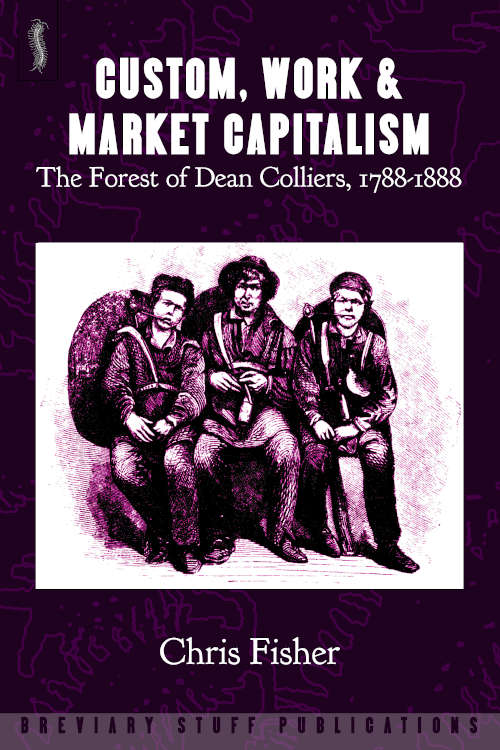
Chris Fisher – Custom, Work & Market Capitalism
The Forest of Dean Colliers, 1788-1888
£14.00198pp / 156x234mm / paperbackadd to basket
Examines how the transition to market capitalism was made and how the free miners responded.
-
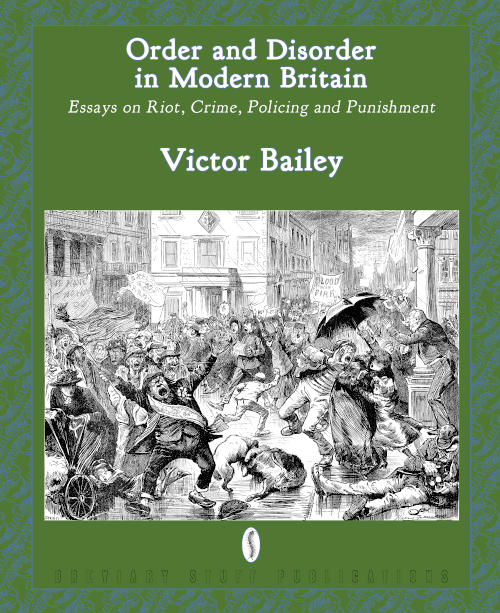
Victor Bailey – Order and Disorder in Modern Britain
Essays on Riot, Crime, Policing and Punishment
£15.00214pp / 191x235mm / paperbackadd to basket
a breviary stuff original
Includes an account of the Skeleton Army riots against the Salvation Army in the early 1880s, and more
-
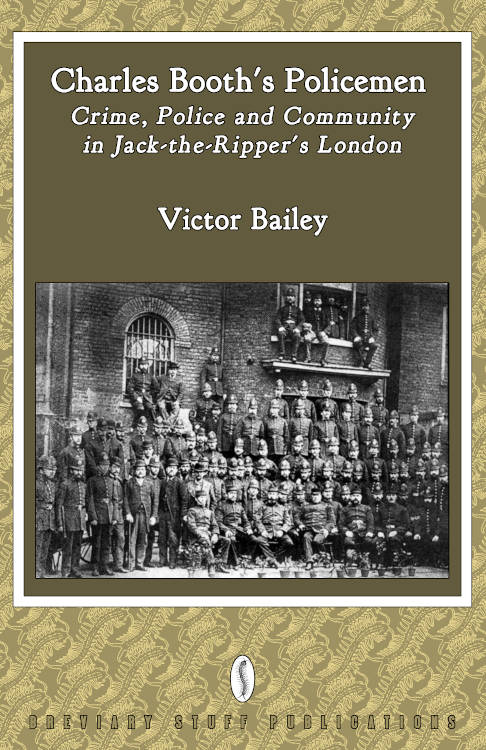
Victor Bailey – Charles Booth’s Policemen
Crime, Police and Community in Jack-the-Ripper's London
£17.00162pp / 140x216mm / 2 colour and 8 b&w images / paperbackadd to basket
a breviary stuff original
The commission and repression of crime were linked not only to the structures of law enforcement but also to levels of community solidarity, associational life, family integration, and parental authority


Skip to navigation
Skip to content
independent publisher of radical history, working-class history, history from below